Story and information review
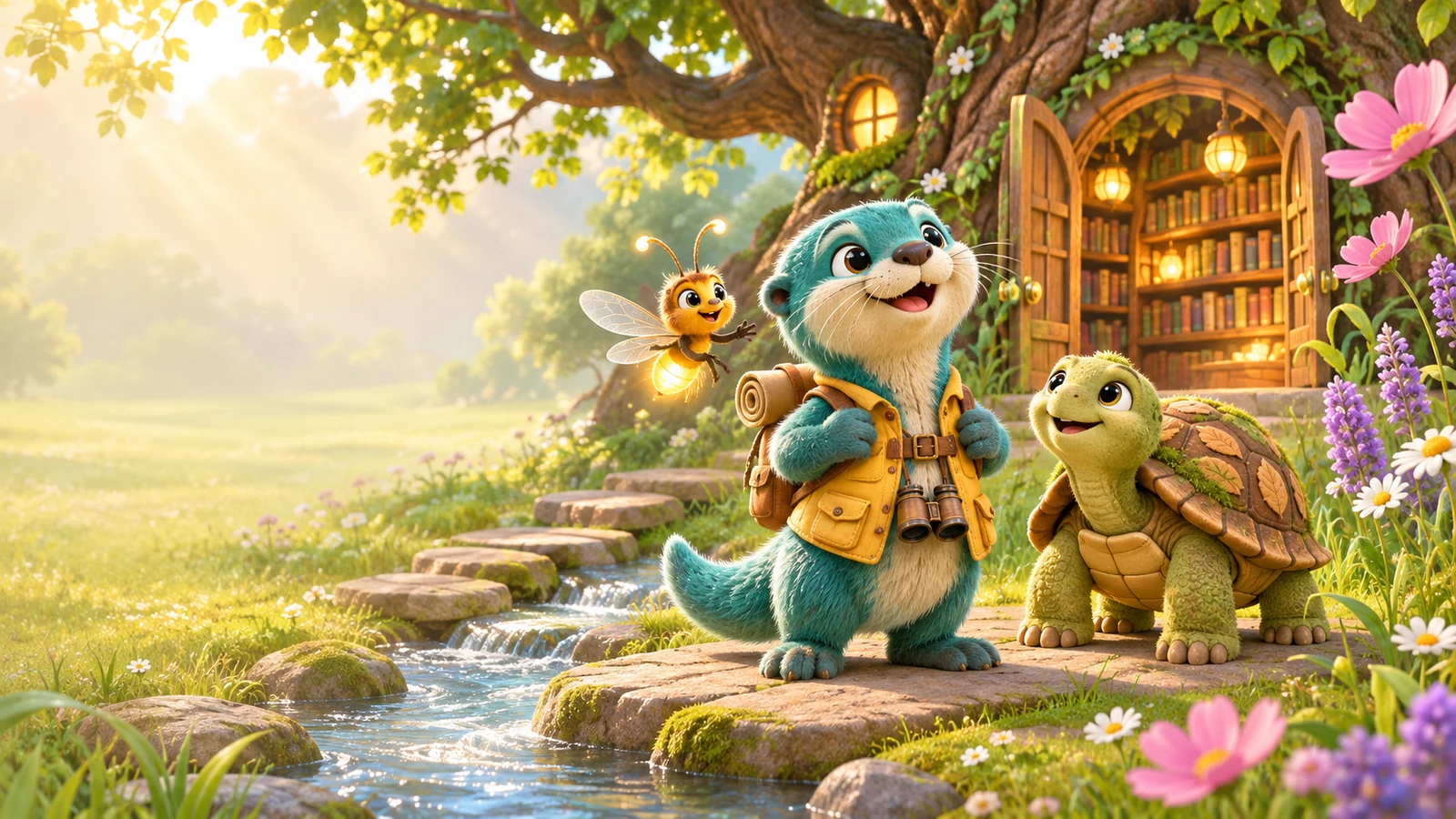
Read one original story sentence and one information sentence about the same topic. Ask what each text is trying to do and what evidence it gives. Imagined characters may talk in fiction, while a factual claim about a real animal needs support beyond a story. Model this example: Story: "A talking turtle packed a tiny suitcase." Information: "Turtles breathe air and have shells that are part of their bodies." Return to the example after learners try a new case. Compare the evidence for each answer and let learners revise a response without a time limit.
A worked example
Story: "A talking turtle packed a tiny suitcase." Information: "Turtles breathe air and have shells that are part of their bodies."
- Read the complete included model with a learning partner: Story: "A talking turtle packed a tiny suitcase." Information: "Turtles breathe air and have shells that are part of their bodies." Reread it while tracking relevant print or evidence. Choose a STATIC Books text or available book for 15–20 minutes of shared reading, listening, or supported rereading, then begin a response journal with one or two meaningful captions, with dictation or letter-card support.
- Study the target: Compare an invented story with a fact-focused information page. Make six cards showing key words, events, facts, sentence parts, or ideas from the included text. Sort them by an explained rule, locate supporting words, and compose three connected sentences or dictated captions about the weekly target. Continue a chosen book with a partner for 15–20 minutes, retell a meaningful part, and add an original journal page using drawings, objects, pointing, dictation, typing, or AAC.
- Work through both Practice questions while keeping their printed words or source record visible. Make six cards showing key words, events, facts, sentence parts, or ideas from the included text. Sort them by an explained rule, locate supporting words, and compose three connected sentences or dictated captions about the weekly target. Read or listen to a chosen text for 15–20 minutes and add one or two meaningful captions, with dictation or letter-card support that connect with a detail you can point to.
- Begin the weekly original work: Make a paired display with one clearly imagined animal story and one checked animal fact, labeling the purpose of each. Draft the pages, cards, or response before polishing, then reread with a partner and revise one unclear word, sequence, or detail. Continue chosen reading for 15–20 minutes and record a supported connection or question.
- Finish and share the authored work: Make a paired display with one clearly imagined animal story and one checked animal fact, labeling the purpose of each. Reread a chosen text for 15–20 minutes, select a specific reading strategy to demonstrate, and add a dated portfolio note. Use the separate Check questions after the reading and writing work; allow drawings, objects, pointing, dictation, typing, or AAC.
Open the printable learning material